Murchison Falls history at a glance
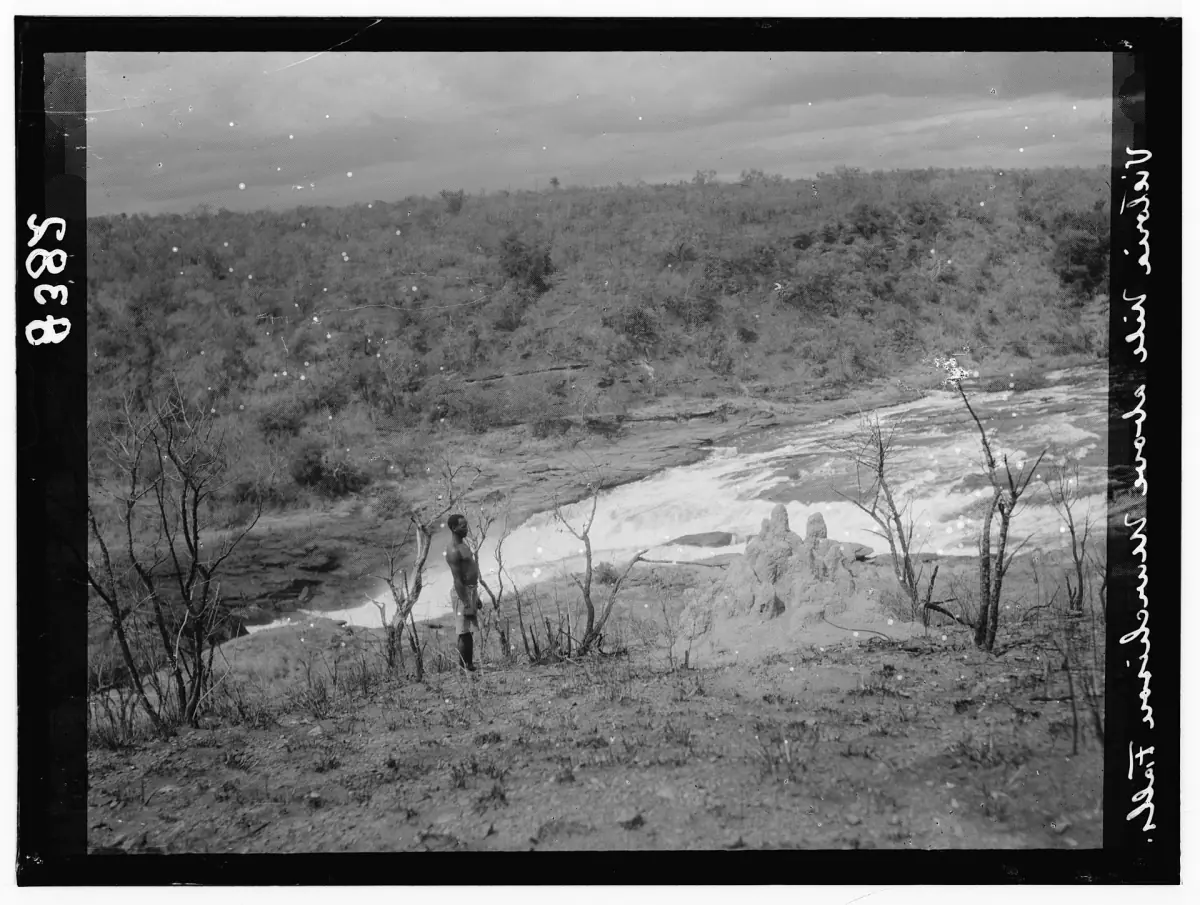
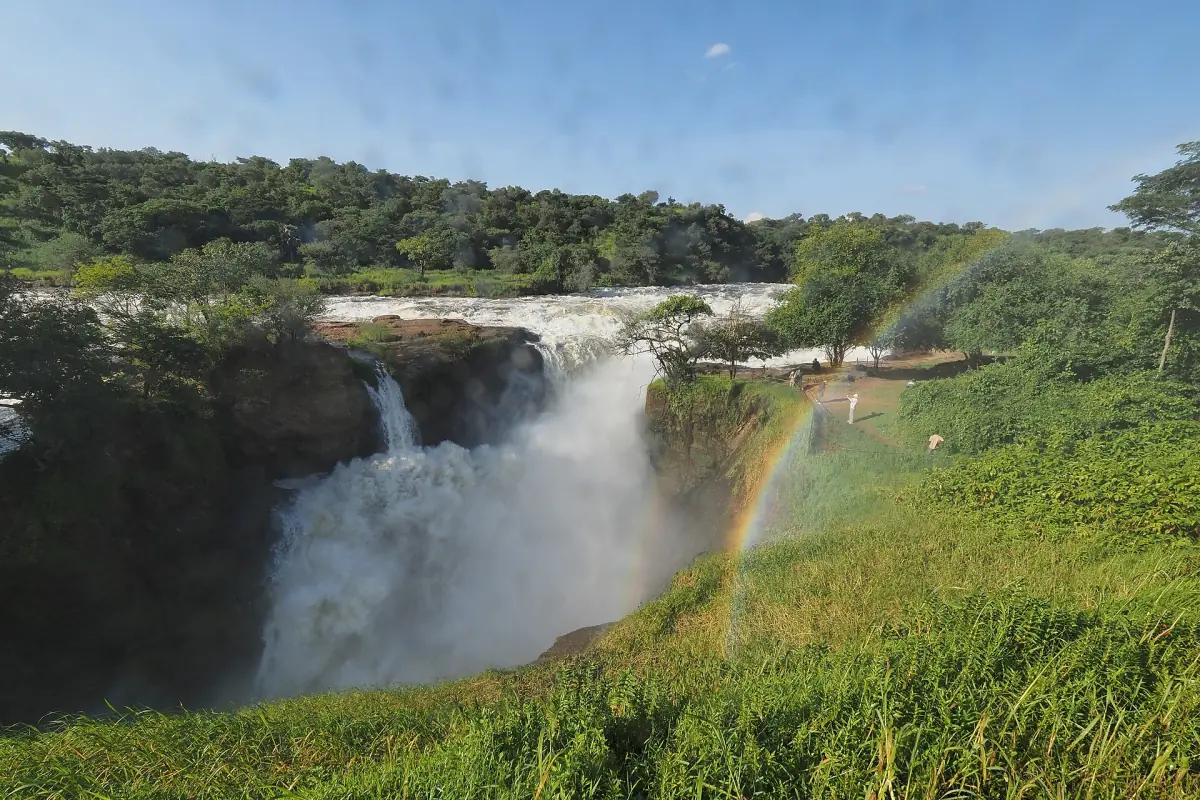
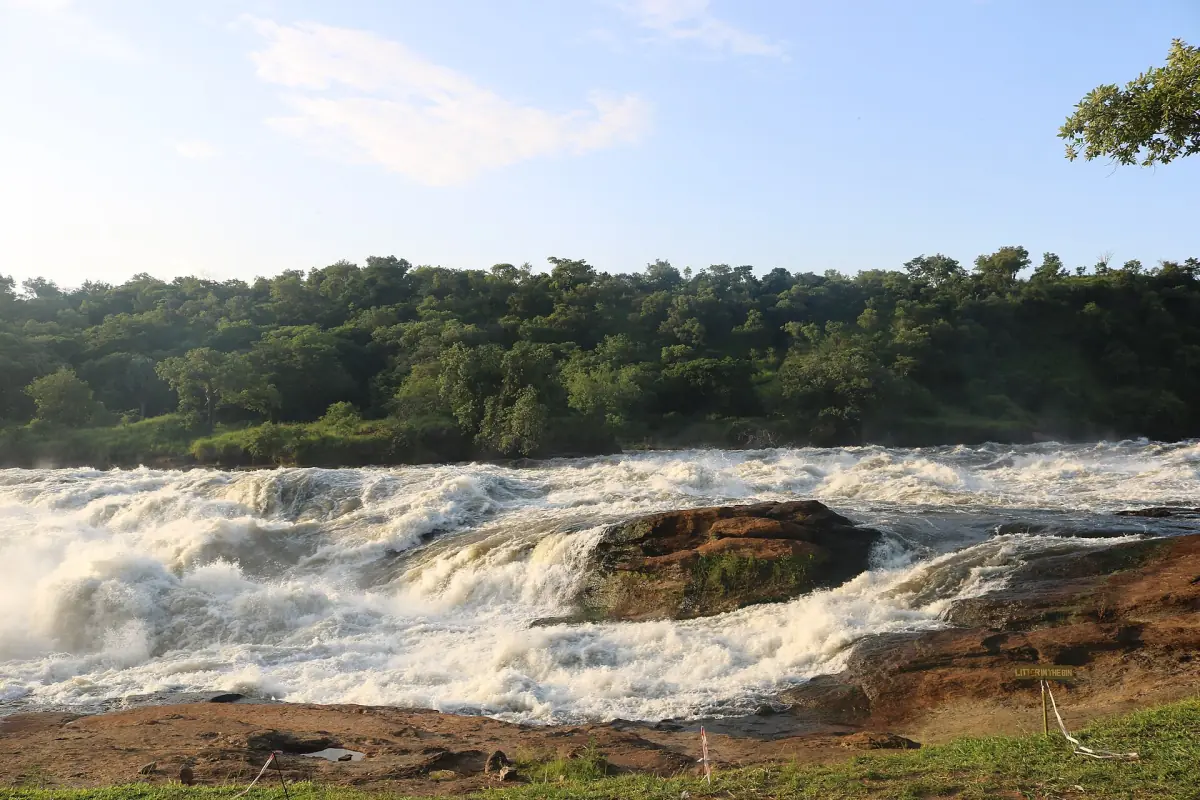
The Victoria Nile squeezes through a gap of about 7 to 8 m wide and drops roughly 43 to 45 m, which is why the falls drew explorers, writers and later visitors. The area was protected as a game reserve from 1926 and became a national park in 1952. Today it covers 3,840 square kilometres and is Uganda's largest national park. The wider conservation area, which adds two neighbouring wildlife reserves, is larger still, at roughly 5,300 square kilometres.
Most of what follows is easy to connect to a place you can see. The Nile boat cruise takes you to the foot of the falls the explorers described, and the top of the falls shows the river as it enters the gap.
Murchison Falls boat trips and tours
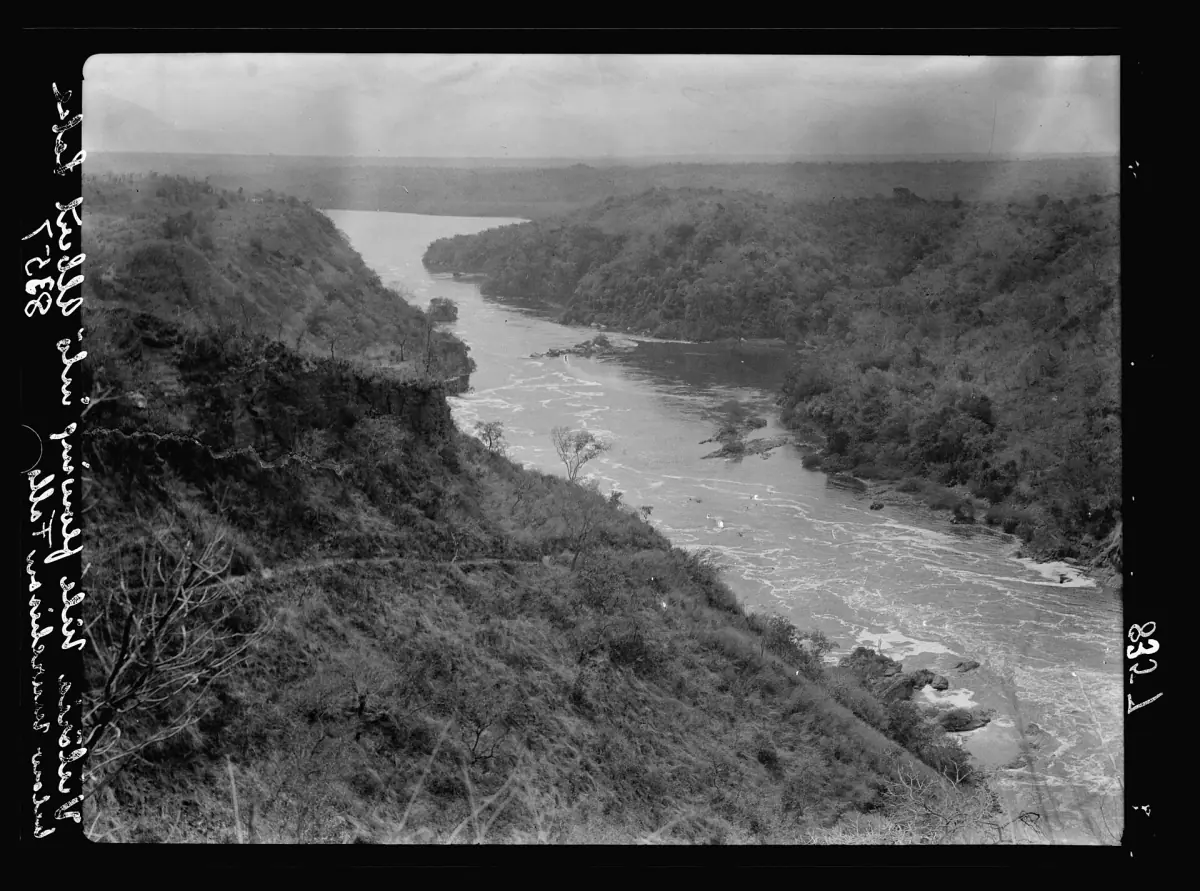
See the river and the falls the explorers described, on a Nile boat trip or a guided tour. Check what each tour includes before you book.
Samuel Baker and the falls
The best-known name in the story.
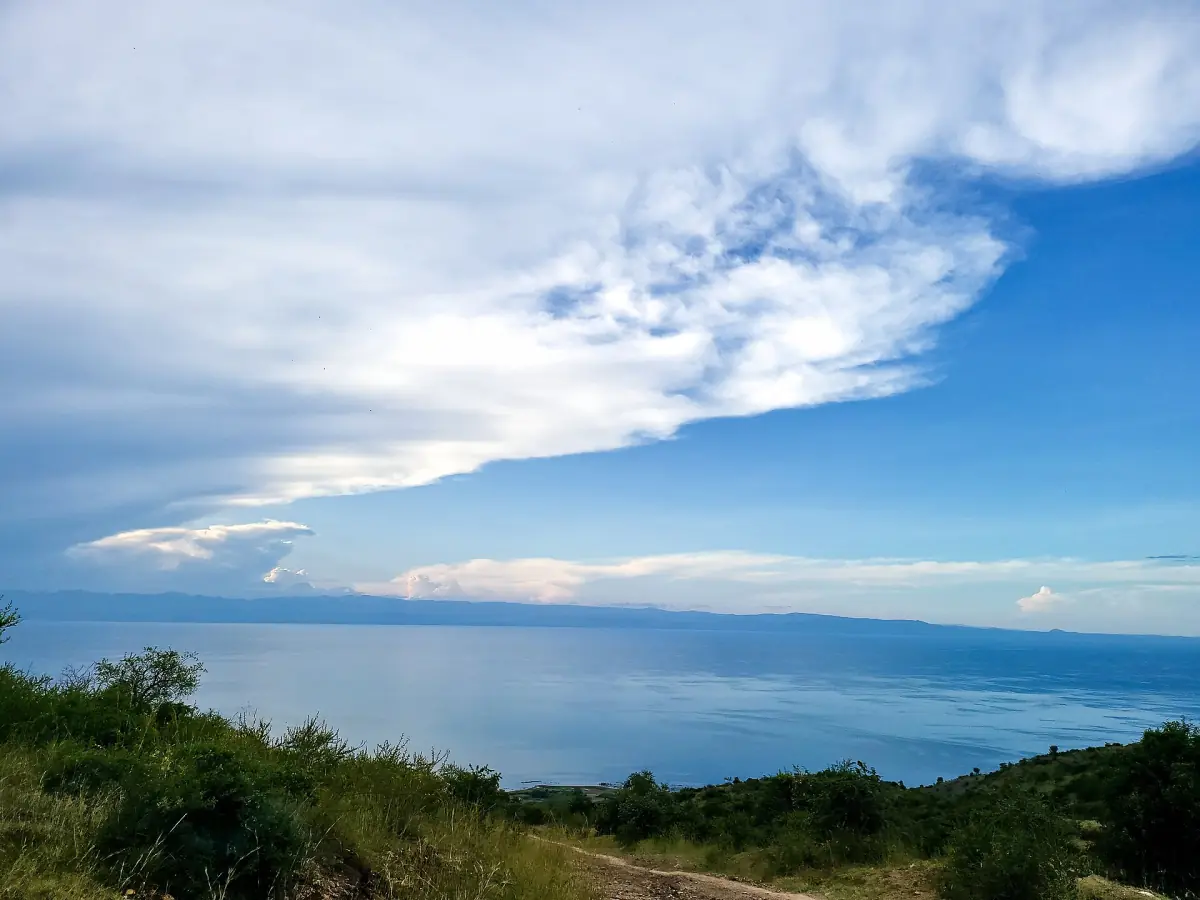
Samuel Baker and his wife Florence described the falls on their expedition of 1864. They reached Lake Albert on 14 March 1864, and the trip to the falls followed during the same expedition. The falls were named after Roderick Murchison, then president of the Royal Geographical Society.
It is better not to say the Bakers discovered the falls. People who lived in the area knew them long before, and the Bakers described them for a European audience.
Hemingway and the plane accidents of 1954
The best-known modern story about the falls is the pair of aircraft accidents of January 1954 that link Ernest Hemingway to the area.
- 23 January 1954: a Cessna 180 (VP-KLI) hit an obstacle near the falls.
- 24 January 1954: a DH.89 Dragon Rapide (VP-KEA) caught fire on take-off from Butiaba toward Entebbe. All four people on board survived. The exact cause of this second accident remains unclear.
Both events are part of the area's story, and the first one happened close to the falls you can still visit today.
Churchill, names and the Kabalega years
Three smaller threads in the story.
Churchill
Winston Churchill wrote a chapter titled Murchison Falls in My African Journey, his account of travelling through Uganda. The book dates from 1909.
Kabalega Falls
During Idi Amin's rule in the 1970s the falls and the park were renamed Kabalega. The old name returned after Amin's fall.
The Uhuru channel
The second channel, Uhuru Falls, has carried water since 1962 after an existing side channel was fed again. It was not a new break in the rock.
Poaching and recovery
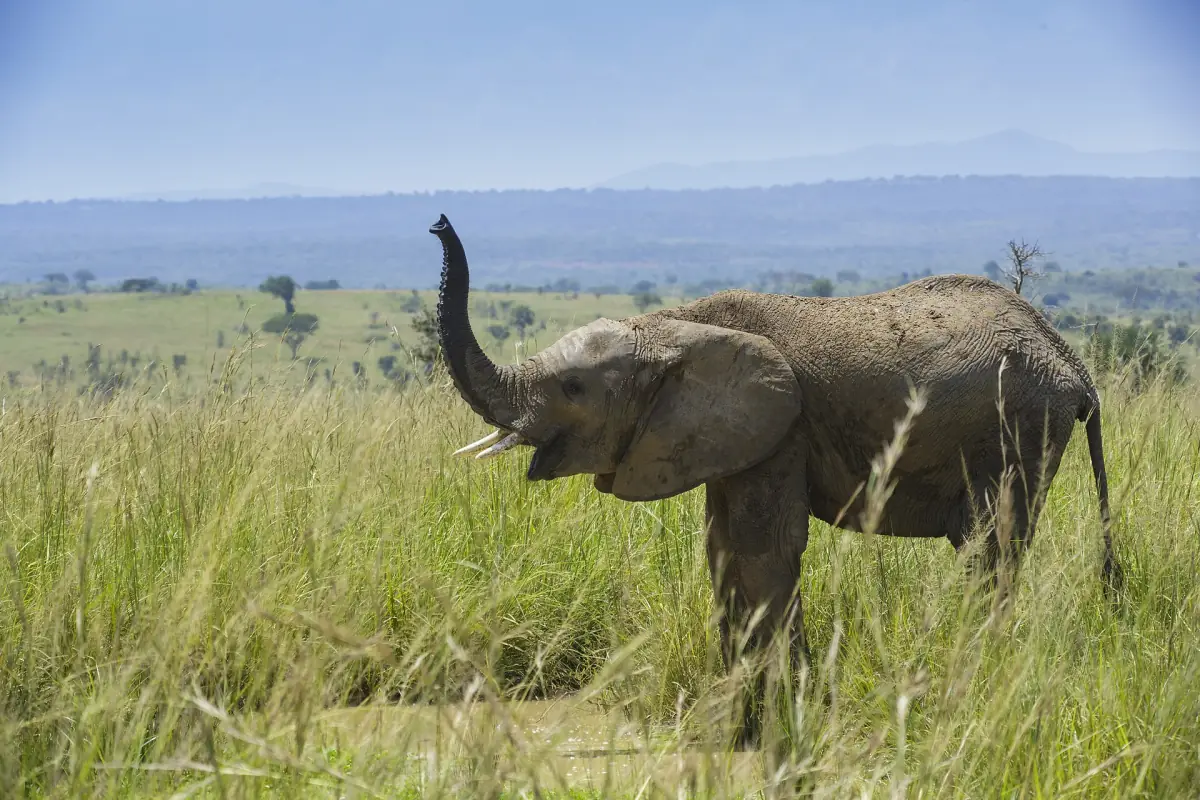
Wildlife losses were heavy in the 1970s and 1980s, and the numbers recovered afterward. Counts for the wider conservation area show the scale. Elephants numbered roughly 200 to 350 in 1995, 780 in 1999 and 904 in a survey in 2010. These are old figures for the whole conservation area, not only the national park, and they are not today's numbers.
The conflict in northern Uganda also marked these years, with displacement camps near the park edges. People later returned to the park edges. The wildlife guide shows what you can look for today.
Rhinos died out here in the past, and a return to the park is a goal for the future. For rhinos now, see the Ziwa Rhino Sanctuary guide.
Murchison Falls timeline
The dates from this page in one table.
| Year | What happened |
|---|---|
| 1864 | The Baker expedition reaches Lake Albert on 14 March and goes on to the falls |
| 1909 | Churchill's My African Journey, with a chapter on the falls, is in print |
| 1926 | The area is protected as a game reserve |
| 1952 | The area becomes a national park |
| 1954 | Two aircraft accidents on 23 and 24 January link Hemingway to the area |
| 1962 | The Uhuru channel starts to carry water |
| 1970s | The falls and park are renamed Kabalega under Idi Amin |
| 1970s and 1980s | Heavy losses of wildlife, then recovery |
If you only have time for one place on this list, take the boat trip to the falls. It is the one stop where the explorers' river, the park and the wildlife come together, and our boat cruise guide shows how it works.
See the places behind the history
Where the story meets the landscape.
Murchison Falls history: frequently asked questions
Who named Murchison Falls?
Samuel Baker and his wife Florence described the falls, and they were named after Roderick Murchison, then president of the Royal Geographical Society.
When did Murchison Falls become a national park?
The area was protected as a game reserve from 1926 and became a national park in 1952.
What happened to Hemingway at Murchison Falls?
Two aircraft accidents in January 1954 are linked to him: a Cessna 180 hit an obstacle near the falls on 23 January, and a DH.89 Dragon Rapide caught fire on take-off from Butiaba on 24 January. All four people on the second plane survived.
Were the falls once called Kabalega?
Yes. The falls and the park were renamed Kabalega in the 1970s, during Idi Amin's rule. The old name returned afterward.
Did Winston Churchill visit Murchison Falls?
Yes. He wrote a chapter titled Murchison Falls in his 1909 book My African Journey, which describes his visit.
How big is Murchison Falls National Park?
The national park covers 3,840 square kilometres. The wider conservation area, with the Bugungu and Karuma wildlife reserves, comes to roughly 5,300 square kilometres.